1. Go Live Fast, with a Barrier to Entry That Stays Low
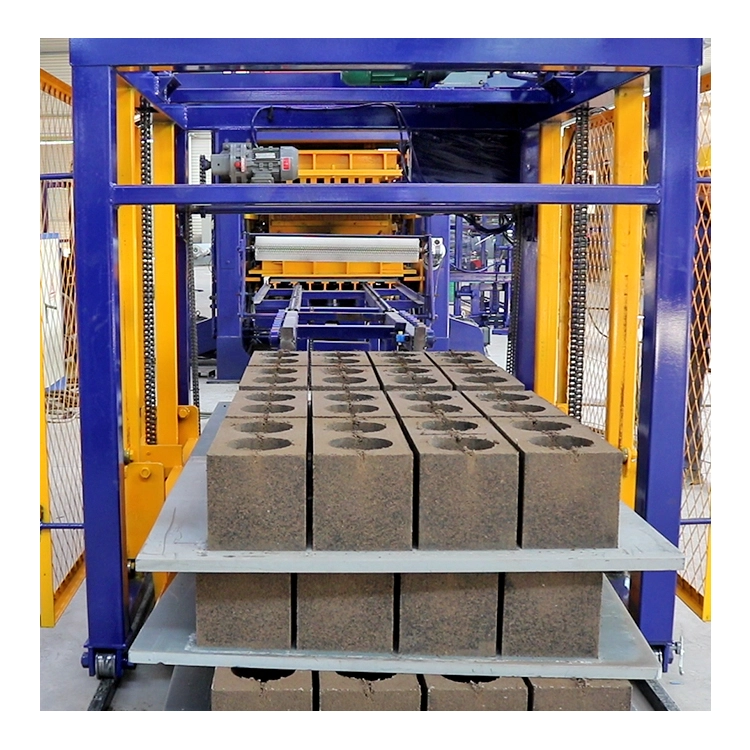
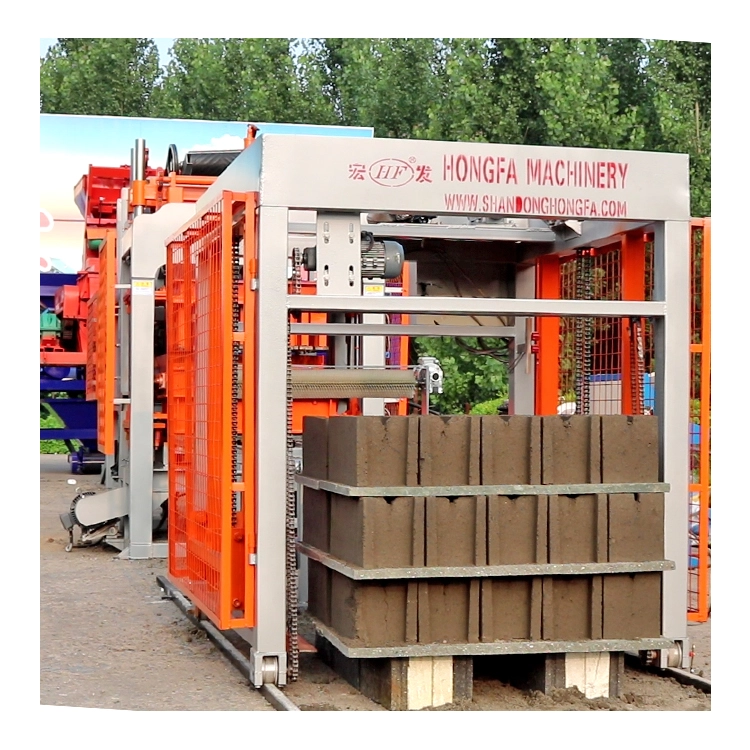
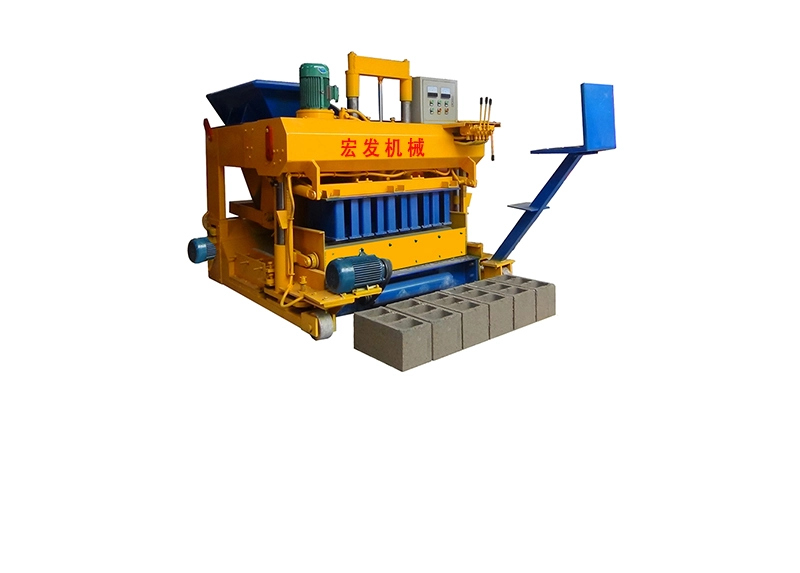
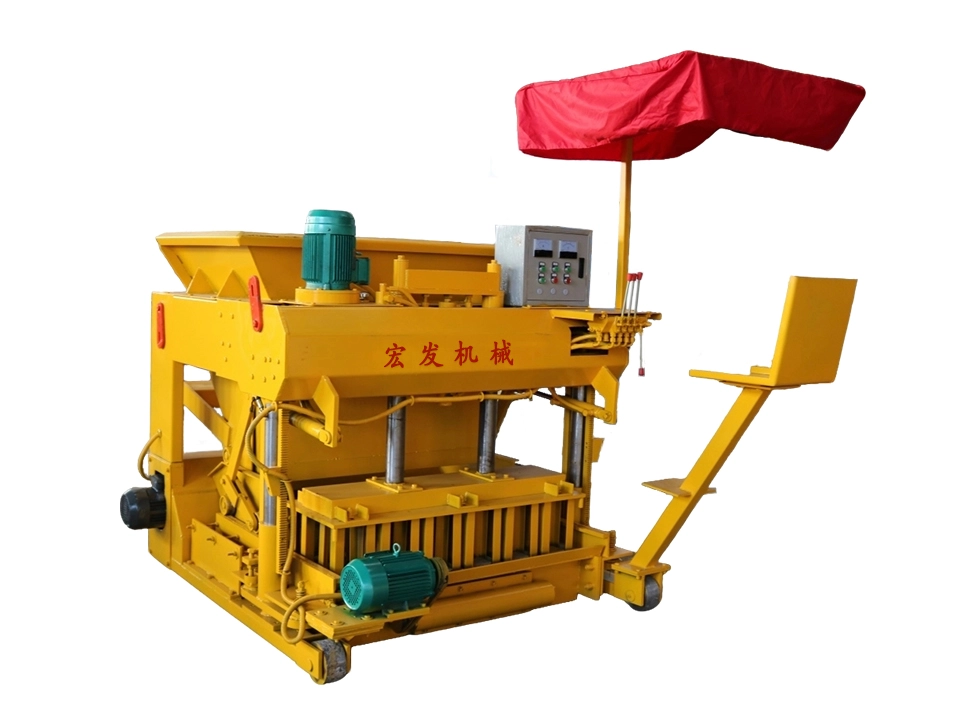
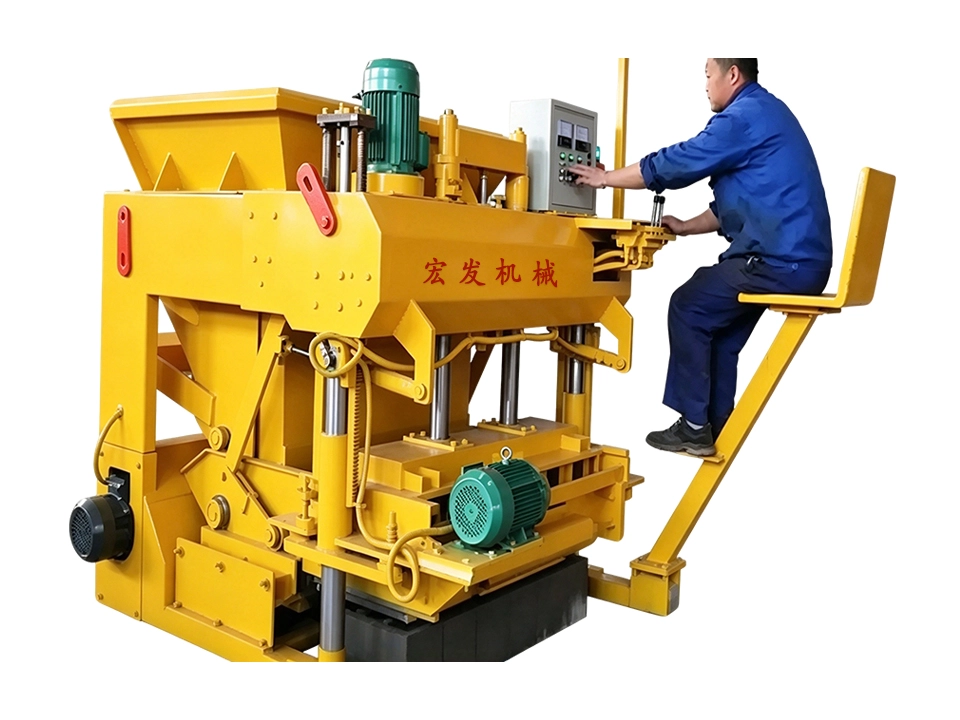
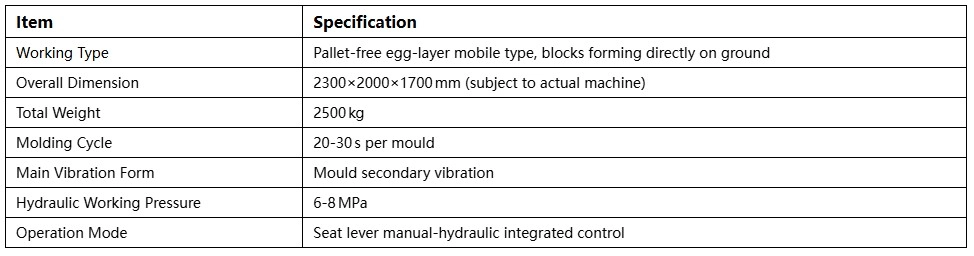
Starting a new brick plant rarely burns money on the machine itself—it's the foundation and civil works that do. Conventional fixed lines need heavy concrete bases, pit digging, and dedicated power supply, adding weeks or months before a single brick comes out. The QMJ‑6A is a self‑contained mobile unit: at 2,600 kg it runs on ordinary hardened ground. Drive it in, connect the power, and you can start producing the same day—no specialized civil work required. That means you can either park it in a fixed workshop for mass output or tow it onto a large construction site and make bricks right where the project is, saving the haul cost of finished bricks from a distant yard. Small capital, fast cycle, and your first order can turn cash quickly.
2. Cut Cost on Both Consumables and Raw Materials
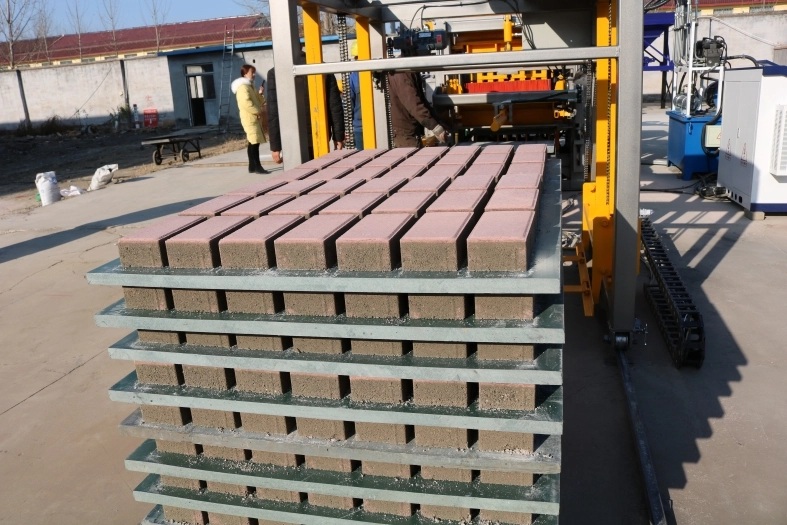
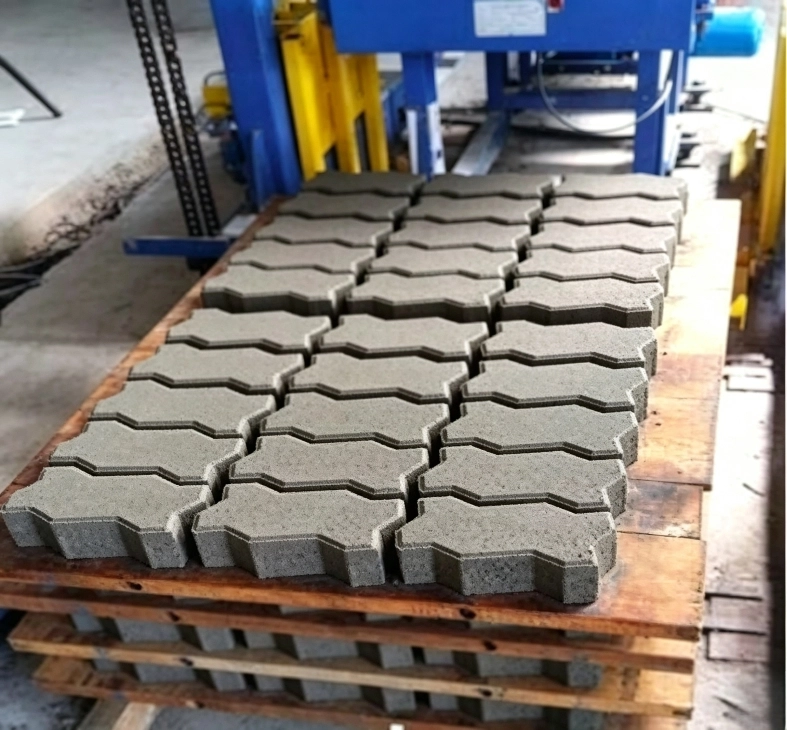
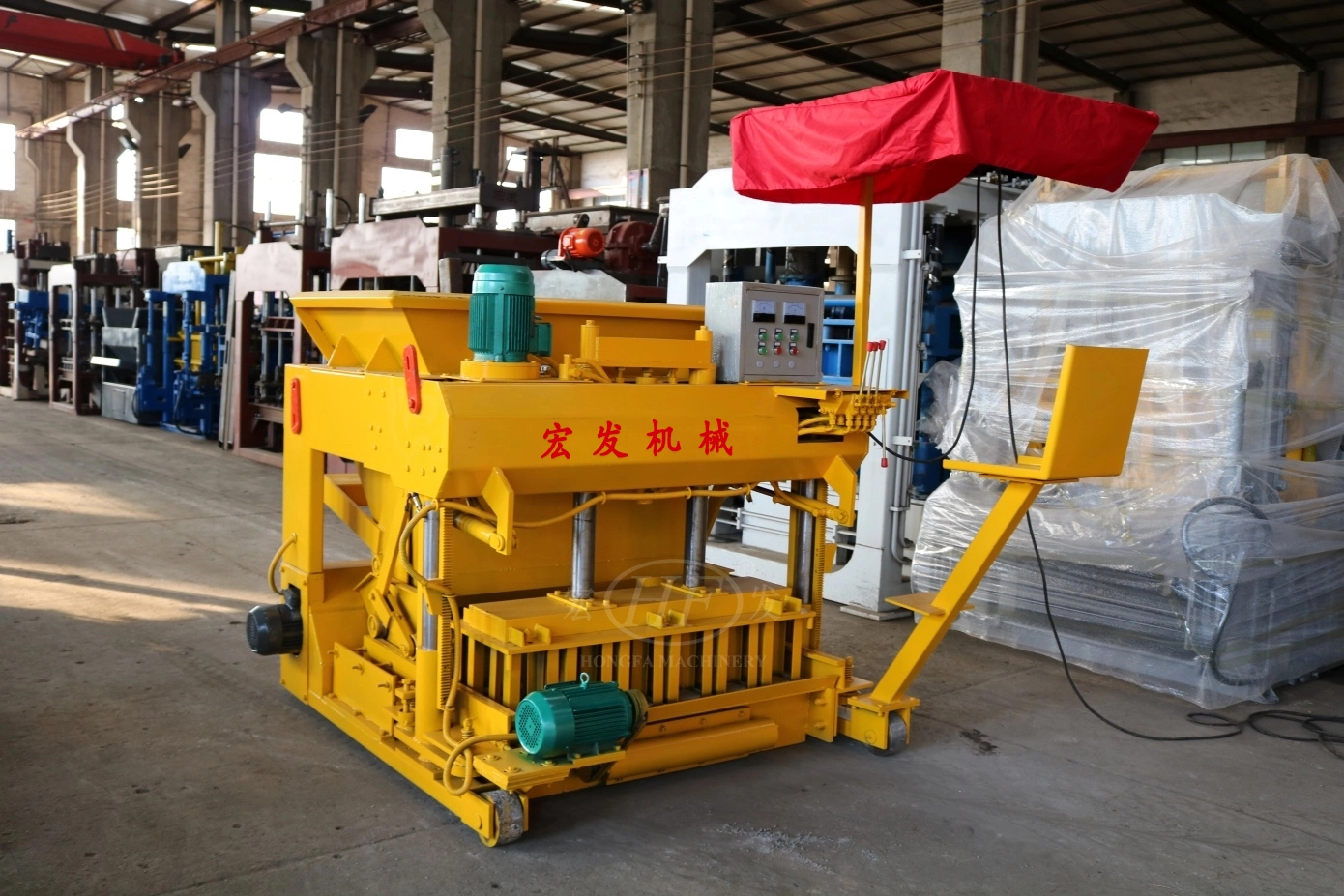
Two cost lines matter in a brick plant: recurring consumables like pallets and molds, and the sand‑cement‑aggregate bill. Traditional lines lay every brick on a pallet through forming, curing and handling, so pallets crack, warp, and have to be replaced year after year—a hidden expense that never stops. The QMJ‑6A's pallet‑free forming removes that line item entirely; over a year, those savings drop straight to your margin. On the raw‑material side it's equally flexible: beyond sand, crushed stone and cement, it runs on gangue, cinder, fly ash, slag, stone dust and other local industrial waste. Many customers feed it with waste from nearby power plants, mines or steel mills at almost zero freight cost, and in some regions qualify for waste‑utilization incentives. Save on consumables and on raw materials, and you control the cost of every batch yourself.
3. Consistent, Dense Bricks That Win Repeat Tender Orders
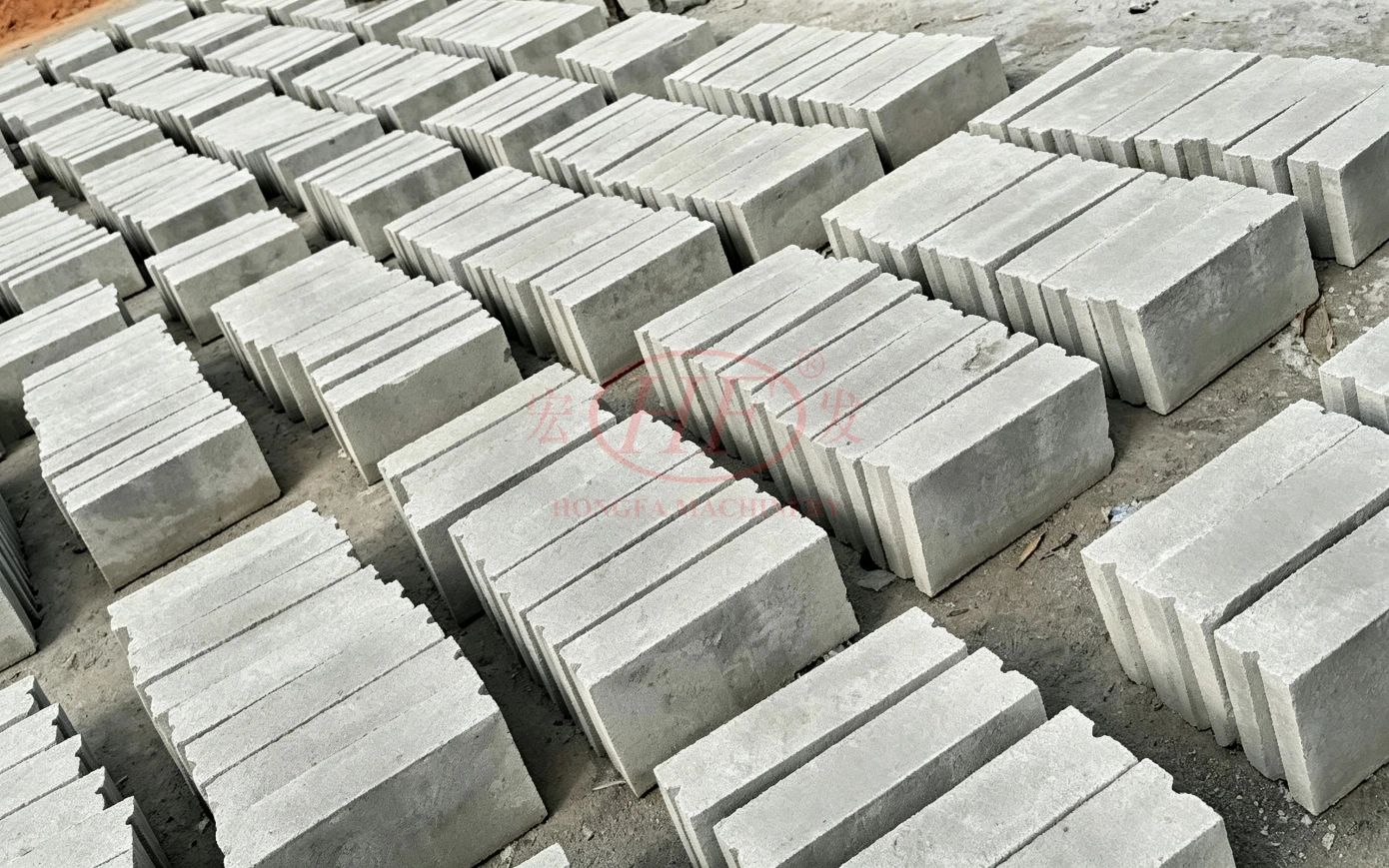
Whether solid bricks command a good price and get you back to the same buyer depends entirely on batch‑to‑batch stability. The QMJ‑6A combines mould vibration with hydraulic top pressing at 7.5–14 MPa and 3,500 vibrations per minute, shaking air pockets out while the upper platen compacts each blank. The result is high‑density, evenly strong bricks with clean surfaces, intact edges, and consistent dimensions. The practical payoff for you: fewer rejects, fewer trucks sent back for non‑conforming strength, and loads that go straight onto the wall. When your bricks look regular and test consistently, you can bid on municipal and building tenders with confidence—and once you win, the developer will come back for the next batch.
4. Switch Mold, Switch Brick Type—One Machine, Many Orders
Building‑material demand never stays the same: one month it's standard 240×115×53 solid bricks, the next a different thickness, occasionally mixed in with hollow‑block orders. Buying a separate machine for every size locks up capital unnecessarily. The QMJ‑6A uses high‑strength Q345 steel moulds; swap the mould and you've changed the product line—solid bricks as the core, hollow blocks as a flexible extra. One standard mould comes included free, and additional moulds are quoted per design. You pay only for what a real order needs, so you can also take on rush jobs and small custom runs without overinvesting.
5. Proven Brand Components Mean Fewer Unplanned Stops
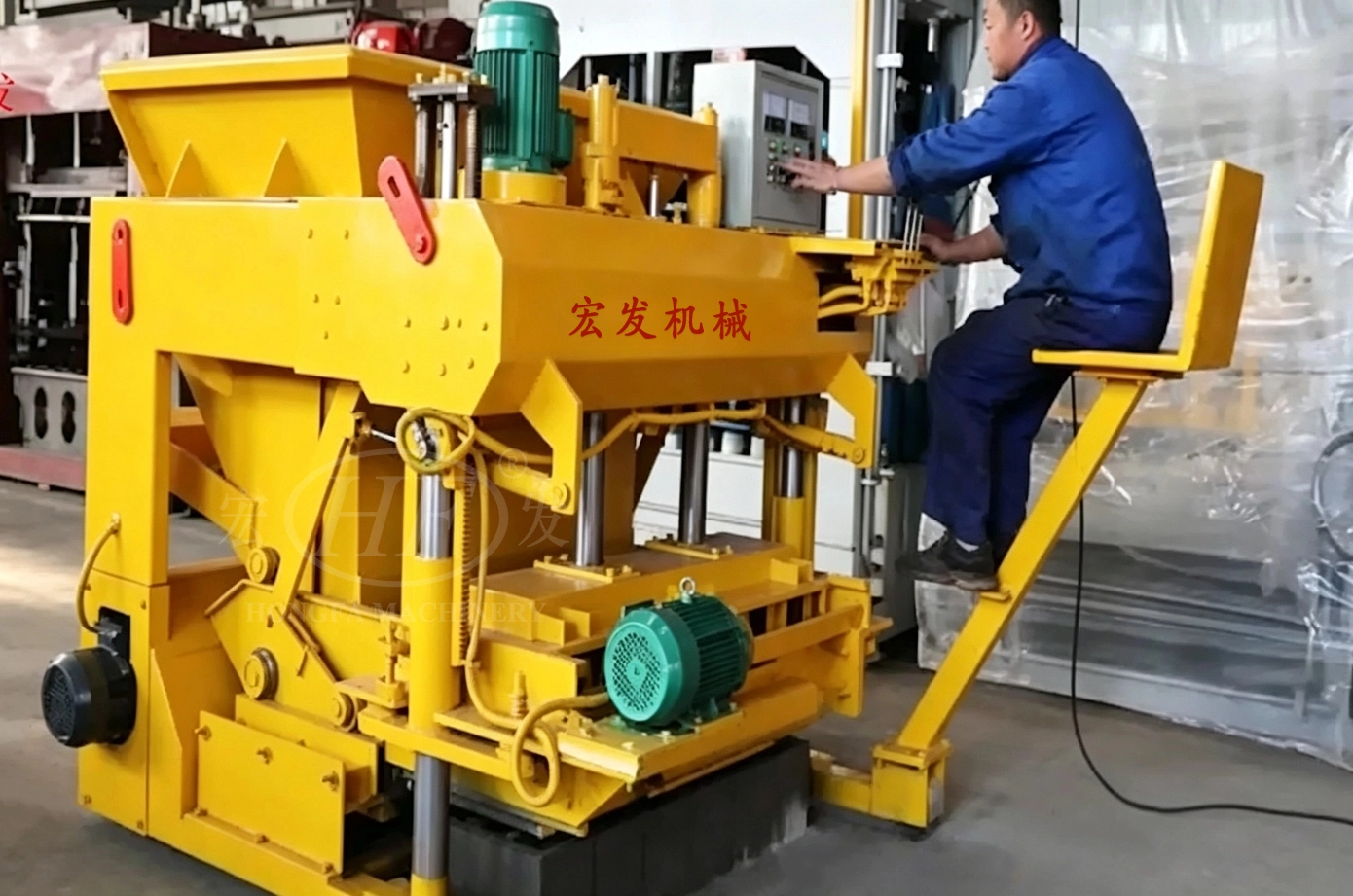
A brick plant's money is counted by the day: when the machine stops, orders slip, workers idle, and buyers move to the next supplier—one stoppage usually costs more than the repair. The QMJ‑6A is built around proven, widely supported components: ABB hydraulic and travel motors, Boshan vibration motors, and Shanghai Huatong contactors and switches, with a Q235 frame and Q345 moulds. At 2,600 kg the whole unit sits steady through long continuous runs. Fewer breakdowns means less maintenance labor, fewer spare‑part surprises, and on‑time delivery you can commit to. Reliable equipment protects your delivery reputation, which is what keeps large orders coming back.
6. Complete Line, Factory‑Backed—Lower Your Buying Risk
Buying a brick machine isn't buying a single unit; the mixer, feeding, loader and forming host have to work as one balanced line. The QMJ‑6A drops straight into a complete solid‑brick line with a JZC350 mixer and a wheel loader, so you don't have to source and match accessories yourself. Behind it is Shandong Hongfa Heavy Machinery Group—20+ years of block‑equipment manufacturing, four factories, and exports to 76 countries. The machine carries a 1‑year warranty, and installation, commissioning, spare parts and technical guidance come direct from the original factory. Compared with buying through a trader, you get sharper factory pricing, faster response, and after‑sales you can actually reach. Whether you're starting a brand‑new plant or adding a solid‑brick line to an existing yard, you get a long‑term equipment partner you can count on.
1. Go Live Fast, with a Barrier to Entry That Stays Low
Starting a new brick plant rarely burns money on the machine itself—it's the foundation and civil works that do. Conventional fixed lines need heavy concrete bases, pit digging, and dedicated power supply, adding weeks or months before a single brick comes out. The QMJ‑6A is a self‑contained mobile unit: at 2,600 kg it runs on ordinary hardened ground. Drive it in, connect the power, and you can start producing the same day—no specialized civil work required. That means you can either park it in a fixed workshop for mass output or tow it onto a large construction site and make bricks right where the project is, saving the haul cost of finished bricks from a distant yard. Small capital, fast cycle, and your first order can turn cash quickly.
2. Cut Cost on Both Consumables and Raw Materials
Two cost lines matter in a brick plant: recurring consumables like pallets and molds, and the sand‑cement‑aggregate bill. Traditional lines lay every brick on a pallet through forming, curing and handling, so pallets crack, warp, and have to be replaced year after year—a hidden expense that never stops. The QMJ‑6A's pallet‑free forming removes that line item entirely; over a year, those savings drop straight to your margin. On the raw‑material side it's equally flexible: beyond sand, crushed stone and cement, it runs on gangue, cinder, fly ash, slag, stone dust and other local industrial waste. Many customers feed it with waste from nearby power plants, mines or steel mills at almost zero freight cost, and in some regions qualify for waste‑utilization incentives. Save on consumables and on raw materials, and you control the cost of every batch yourself.
3. Consistent, Dense Bricks That Win Repeat Tender Orders
Whether solid bricks command a good price and get you back to the same buyer depends entirely on batch‑to‑batch stability. The QMJ‑6A combines mould vibration with hydraulic top pressing at 7.5–14 MPa and 3,500 vibrations per minute, shaking air pockets out while the upper platen compacts each blank. The result is high‑density, evenly strong bricks with clean surfaces, intact edges, and consistent dimensions. The practical payoff for you: fewer rejects, fewer trucks sent back for non‑conforming strength, and loads that go straight onto the wall. When your bricks look regular and test consistently, you can bid on municipal and building tenders with confidence—and once you win, the developer will come back for the next batch.
4. Switch Mold, Switch Brick Type—One Machine, Many Orders
Building‑material demand never stays the same: one month it's standard 240×115×53 solid bricks, the next a different thickness, occasionally mixed in with hollow‑block orders. Buying a separate machine for every size locks up capital unnecessarily. The QMJ‑6A uses high‑strength Q345 steel moulds; swap the mould and you've changed the product line—solid bricks as the core, hollow blocks as a flexible extra. One standard mould comes included free, and additional moulds are quoted per design. You pay only for what a real order needs, so you can also take on rush jobs and small custom runs without overinvesting.
5. Proven Brand Components Mean Fewer Unplanned Stops
A brick plant's money is counted by the day: when the machine stops, orders slip, workers idle, and buyers move to the next supplier—one stoppage usually costs more than the repair. The QMJ‑6A is built around proven, widely supported components: ABB hydraulic and travel motors, Boshan vibration motors, and Shanghai Huatong contactors and switches, with a Q235 frame and Q345 moulds. At 2,600 kg the whole unit sits steady through long continuous runs. Fewer breakdowns means less maintenance labor, fewer spare‑part surprises, and on‑time delivery you can commit to. Reliable equipment protects your delivery reputation, which is what keeps large orders coming back.
6. Complete Line, Factory‑Backed—Lower Your Buying Risk
Buying a brick machine isn't buying a single unit; the mixer, feeding, loader and forming host have to work as one balanced line. The QMJ‑6A drops straight into a complete solid‑brick line with a JZC350 mixer and a wheel loader, so you don't have to source and match accessories yourself. Behind it is Shandong Hongfa Heavy Machinery Group—20+ years of block‑equipment manufacturing, four factories, and exports to 76 countries. The machine carries a 1‑year warranty, and installation, commissioning, spare parts and technical guidance come direct from the original factory. Compared with buying through a trader, you get sharper factory pricing, faster response, and after‑sales you can actually reach. Whether you're starting a brand‑new plant or adding a solid‑brick line to an existing yard, you get a long‑term equipment partner you can count on.

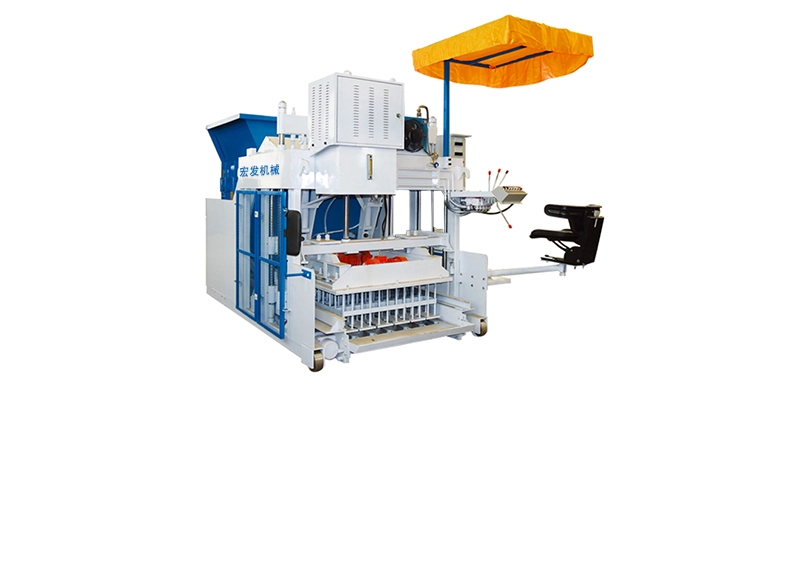 QMJ-10A Interlocking Block Making Machine | Mobile Pallet-Free Interlock Brick Production Equipment
Hongfa QMJ-10A mobile interlocking block machine works without pallets for high-strength interlock bricks. It adopts dua...
 QMJ-10A Mobile Hollow Block Machine | High Output Concrete Hollow Block Production Equipment
QMJ-10A mobile hollow block machine, Hongfa electromechanical hydraulic integrated no-pallet block machine, specially de...
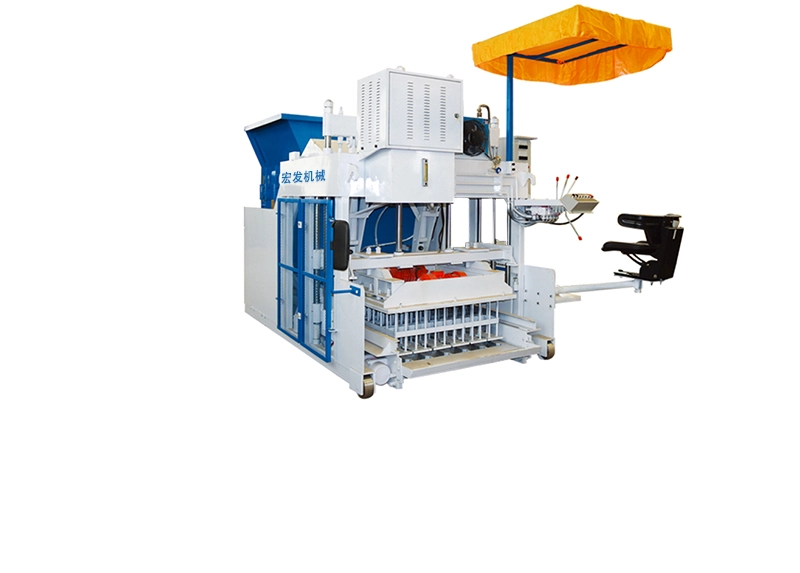 QMJ‑10A Compressed Earth Egg Laying Block Making Machine
QMJ‑10A is a pallet‑free mobile hydraulic block making machine with secondary mould‑vibration design. Overall dimension ...
Shandong Hongfa Scientific Industrial&Trading Co.,Ltd ©️2026Copyright © LU ICP B 16041216-4